
Elementary Band & Orchestra Programs
A Vendor Program for the Douglas County School District (DCSD), providing Elementary Band & Orchestra Instruction
Meet the Instruments!


Clarinet
A member of the Woodwinds family
The Clarinet is in the Band Group / Class
While most Clarinets are made of plastic, professional clarinets are made of wood. The clarinet is slightly larger than a flute, but it is still a small instrument to carry. Making a sound on the clarinet is fairly easy. It´s also a good instrument for students who haven´t developed a strong sense of pitch or have difficulty hearing, selecting, and sustaining a specific pitch.

Saxophone
A member of the Woodwinds family
The Saxophone is in the Band Group / Class
The largest member of the woodwind family is the Saxophone. Saxophones, which are made of metal, come in four sizes. The appropriate size for beginners is the E-Flat Alto Saxophone. The Saxophone is a vital part of any band, including jazz bands!

Trumpet
A member of the Brass family
The Trumpet is in the Band Group / Class

French Horn
A member of the Brass family
The French Horn is in the Band Group / Class
The French Horn is a brass instrument somewhat larger than a trumpet, so it’s pitched lower. It´s a beautiful-sounding instrument that often plays awesome melodies. Due to the French Horn's tricky nature when it comes to creating the correct pitch, many students begin on the trumpet, where they can train their ear and then switch to the French Horn later on.
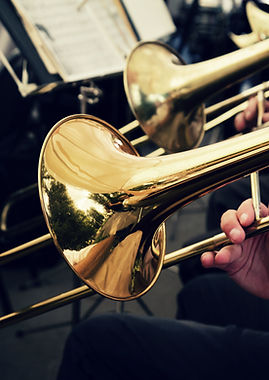
Trombone
A member of the Brass family
The Trombone is in the Band Group / Class
The Trombone, unlike the French Horn and Trumpet is considered 'low brass' and reads from the bass clef, opposed to the higher treble clef that is read by the higher instruments. The trombone is a brass instrument with a unique feature. Rather than valves or keys that are pushed with the fingertips, the trombone uses a slide to change pitches.

Baritone
A member of the Brass family
The Baritone is in the Band Group / Class
The Baritone and Euphonium are two seperate instruments but the difference is minor, having to do with the design & shape of the tubing, and not important for a beginning band student. Both instruments are equivalent in size, and weight.
Students who may want to play tuba or sousaphone later, can start with the baritone, and easily move to tuba later.
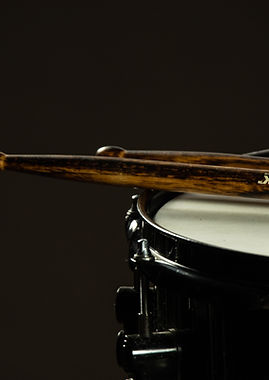
Percussion
A member of the Percussion family
The Percussion is in the Band Group / Class
Beginning percussionists will learn two (2) instruments - Snare Drum, the smallest drum in the percussion section. This is the most popular drum and is used in nearly all styles of music; and the Bell Kit, (aka the Glockenspiel). The sound is created by striking pieces of metal with a plastic or wood mallet. The notes are configured like a piano keyboard and usually have the names of the notes printed on each bar.
Students are often familar with a "drum set". The snare drum is one peice of a drum set, and is also used in concert bands and symphony orchestras.

Violin
A member of the Strings family
The Violin is in the Orchestra Group / Class
The Violin is the smallest, and is therefore the highest in pitch. It is also the most popular. It is played with the instrument under the chin while sitting or standing, and its small size makes it easily transporable.
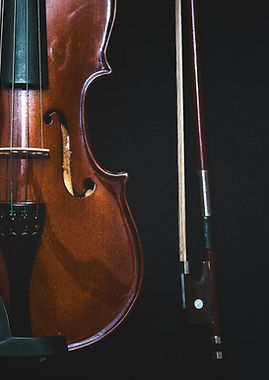
Viola
A member of the Strings family
The Viola is in the Orchestra Group / Class
The Viola is very similar to the violin, only slightly larger, and slightly lower in pitch. It may be played while sitting or standing, and it's tone is regarded as mellow and sweet. Like the violin, it is easily transportable.
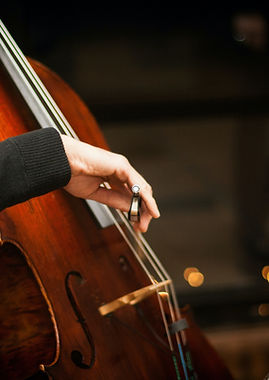
Cello
A member of the Strings family
The Cello is in the Orchestra Group / Class
The Cello is much larger and lower than the viola, and must be played while sitting with the instrument between the knees. Fortunately, cellos are made for students of all sizes.

Double Bass
A member of the Strings family
The Double Bass is in the Orchestra Group / Class
The String Bass is the largest and lowest string instrument in the orchestra. It is played while standing or sitting on a stool. It is also made different sizes so that any size student can do well on the bass.